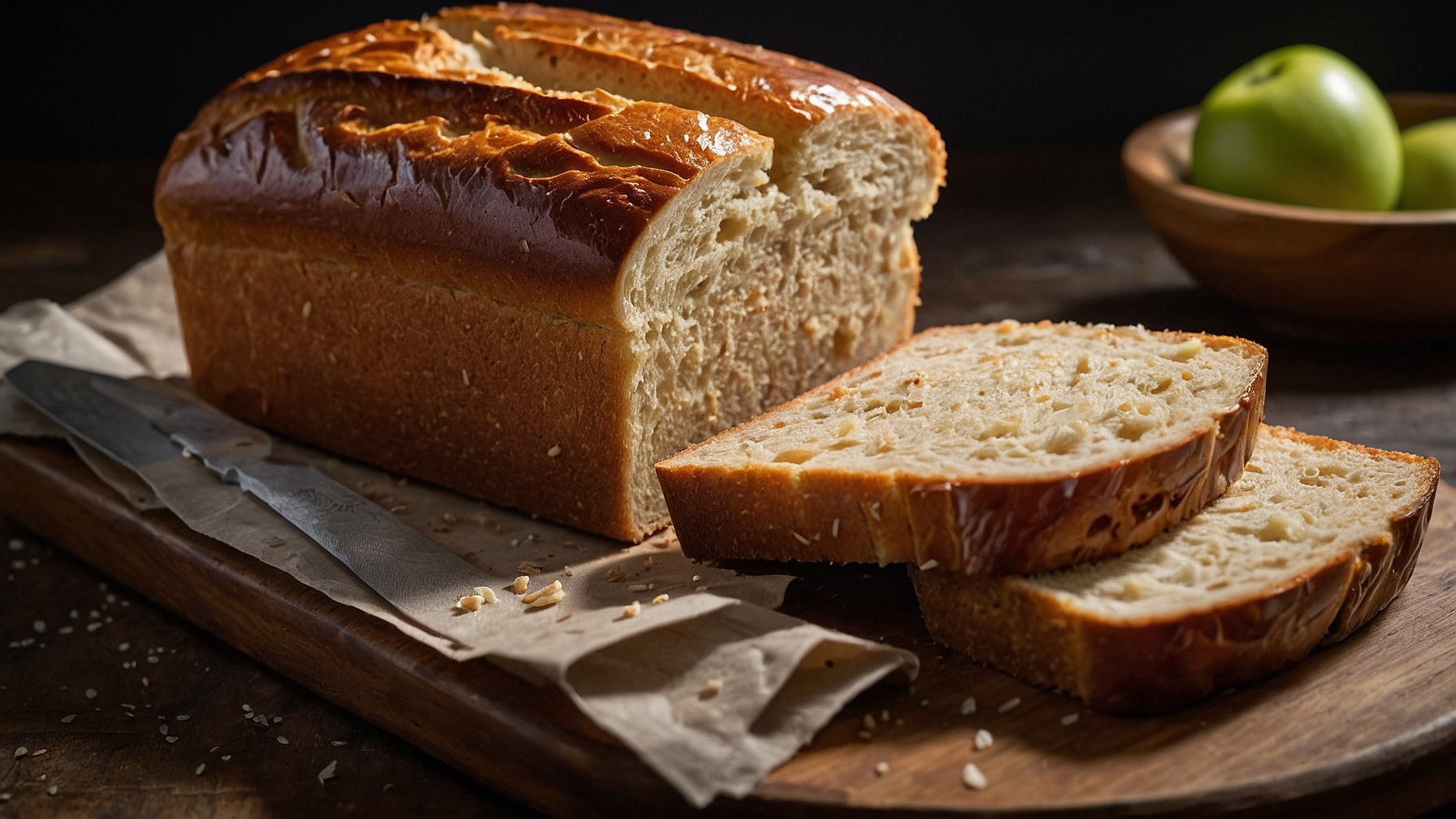
Beginner's Guide to Cool Rise Dough: Easy Baking, Delicious Results
Dreaming of fresh, homemade bread but intimidated by yeast and complicated baking schedules? You're not alone. Many aspiring bakers shy away from bread making, believing it requires hours of active effort and precise timing. Enter the world of cool rise dough, a revolutionary method that simplifies the process, allowing even novices to achieve spectacular results, especially with a classic Effortless Cool Rise Sandwich Bread: 15-Min Prep & Overnight Flavor. This guide will demystify cool rise baking, showing you how to bake soft, flavorful loaves with minimal fuss.
The beauty of cool rise dough lies in its "hands-off" approach. Instead of rushing fermentation at room temperature, you let the refrigerator do the heavy lifting, slowing down the yeast activity and allowing for a long, gentle rise. This not only fits seamlessly into your busy schedule but also significantly deepens the bread's flavor and enhances its texture, transforming ordinary flour into something truly extraordinary.
What is Cool Rise Dough? Unveiling the Magic
At its core, cool rise dough (also known as "cold fermentation" or "refrigerator dough") leverages the power of cold temperatures to control yeast activity. When bread dough is placed in the refrigerator, the cool environment dramatically slows down the yeast's metabolism. This extended, slow fermentation offers several distinct advantages over traditional room-temperature proofs:
- Enhanced Flavor Development: A longer fermentation period allows yeast and enzymes to break down starches into sugars more thoroughly. This creates a richer, more complex flavor profile with subtle tangy notes that you won't get from a quick rise. Think of it like slow-cooking a stew – more time often means more flavor.
- Improved Texture: The slower rise strengthens the gluten network in the dough. This results in a more elastic dough that can hold more gas, leading to a finer, more even crumb structure and a wonderfully soft, yet sturdy, texture in the final baked product. For a perfect cool rise sandwich bread, this means slices that hold up beautifully to any filling.
- Unmatched Convenience: This is arguably the biggest selling point for beginners. You can mix your dough in just 15-20 minutes of active prep time, tuck it into the fridge, and forget about it for hours, or even days! Imagine mixing dough in the evening and baking fresh bread the next morning, or even keeping a batch of dough ready in the fridge for impromptu baking sessions.
For those who've felt intimidated by yeast, the cool rise method is a revelation. It removes the pressure of immediate timing, giving you ample leeway and virtually guaranteeing success.
Why Cool Rise is a Game-Changer for Beginner Bakers
If you've ever wanted to bake bread but found yourself overwhelmed by the process, cool rise dough is your ideal starting point. It simplifies bread making in ways that transform a daunting task into a delightful hobby.
Here's why this method is particularly beneficial for those new to baking:
- Minimal Active Effort: The references highlight "15 minutes of active prep," and this is no exaggeration. You'll spend a short burst of time mixing ingredients, and then the refrigerator takes over. This means you can fit bread-making into even the busiest schedules. Mix the dough before work or school, and it’s ready to bake when you get home!
- "Set It and Forget It" Convenience: Unlike traditional recipes that demand vigilant watching for dough to double, cool rise dough allows for a truly hands-off fermentation. You can prepare the dough in the morning and bake it that evening, or even keep it in the fridge for up to two weeks, pulling off portions as needed. This flexibility is perfect for busy individuals or families who crave fresh bread without the commitment of a full day in the kitchen.
- Consistent, Delicious Results: The extended, slow fermentation not only boosts flavor but also contributes to a more forgiving dough. This means a wider margin for error and a higher likelihood of achieving consistently soft, sturdy slices every time. This reliability builds confidence, encouraging beginners to bake more often. Imagine pulling a perfectly golden Master Cool Rise Bread: Soft, Sturdy Slices for Any Meal out of your oven!
- Overcoming Yeast Phobia: Many beginners fear working with yeast, worried about activating it correctly or killing it with improper water temperatures. The cool rise method, while still requiring active yeast, often provides a more robust and forgiving environment for yeast to thrive slowly, reducing the anxiety associated with proofing.
Crafting Your First Cool Rise Sandwich Bread: A Step-by-Step Approach
Ready to get your hands a little floury? Making your first batch of cool rise sandwich bread is easier than you think. Here's a general outline, inspired by traditional cool rise recipes, to guide you through the process:
Essential Ingredients You'll Need:
Most cool rise dough recipes, especially for sandwich bread, use standard pantry staples. A typical recipe includes:
- Active Dry Yeast: The leavening agent. Ensure it's fresh for optimal rise.
- Warm Water: Crucial for activating the yeast. Aim for 105-115°F (40-46°C).
- Sugar: Feeds the yeast and adds a touch of sweetness to the bread.
- Salt: Essential for flavor and controlling yeast activity.
- Oil (or Butter): Contributes to a tender crumb and helps keep the bread soft.
- Eggs (Optional but Recommended): Enrich the dough, adding tenderness, flavor, and a beautiful golden crust.
- All-Purpose or Bread Flour: The structure of your bread. Some recipes, like "Cool Rise Whole Wheat Sandwich Bread" from the references, even suggest experimenting with half or even 100% whole wheat flour for added nutrition and flavor.
The Mixing Process (The Active Part!):
- Activate the Yeast: In a large bowl, dissolve the active dry yeast in warm water (with a pinch of sugar). Let it sit for 5-10 minutes until it becomes frothy, indicating the yeast is alive and ready.
- Combine Wet Ingredients: Add the remaining sugar, salt, oil (and beaten eggs, if using) to the yeast mixture. Whisk well to combine.
- Incorporate Flour: Gradually add the flour, mixing first with a spoon and then either transferring to a stand mixer with a dough hook or kneading by hand. The goal is to add enough flour to form a dough that pulls away cleanly from the sides of the bowl but remains slightly sticky. Beginner Tip: Resist the urge to add too much flour; a slightly sticky dough often yields a more tender bread.
- Knead Until Smooth: Knead the dough for about 5-8 minutes (stand mixer) or 8-10 minutes (by hand) until it's smooth and elastic.
The Cool Rise (Refrigerator Magic):
- Prepare for the Fridge: Lightly oil a large bowl, place the dough in it, and turn to coat. Cover the bowl tightly with plastic wrap or a lid.
- Refrigerate: Place the covered bowl in the refrigerator. The dough will slowly rise over the next 8-24 hours, or even up to two weeks! Many recipes suggest letting it rise for at least 2 hours before its first use, but the longer it sits, the more flavor it develops.
Shaping and Baking:
- Remove & Temper: When ready to bake, remove the desired amount of dough from the refrigerator. You can let it sit on the counter for 30-60 minutes to take off the chill, or shape it directly cold if you prefer a slightly denser crumb.
- Shape Your Loaf: Gently punch down the dough to release air. On a lightly floured surface, shape the dough into a loaf and place it into a greased loaf pan.
- Final Proof (Optional but Recommended): Allow the shaped dough to rise in the loaf pan at room temperature for another 30-60 minutes, or until it has visibly increased in size (usually about 50%).
- Bake: Preheat your oven to 350°F (175°C). Bake for approximately 30-45 minutes, or until the crust is golden brown and the internal temperature reaches 200-210°F (93-99°C).
- Cool: Remove the bread from the pan immediately after baking and let it cool completely on a wire rack before slicing. This prevents a gummy texture.
Beyond Basic Cool Rise Sandwich Bread: Versatile Uses
While a fresh loaf of cool rise sandwich bread is a glorious thing, the beauty of this versatile dough extends far beyond the humble sandwich. The prepared dough, often able to be stored for weeks in the refrigerator, becomes your personal baking arsenal, ready for a myriad of delicious applications:
- Toast & Breakfast: Warm from the oven and topped with honey butter, as one source delightfully describes, this bread is a dessert in itself. It also makes incredible French toast or simply perfect toast for your morning eggs.
- Sweet Treats: Use your cool rise dough to create delectable cinnamon rolls, sticky buns, or fruit-filled pastries. The richer flavor developed during the cold rise truly elevates these sweet baked goods.
- Savory Rolls & Buns: Transform portions of the dough into soft dinner rolls, sliders, or even savory bierox (cabbage and meat-filled buns, as mentioned in the context).
- Pizza & Focaccia: The long fermentation of cool rise dough lends itself beautifully to crispy-chewy pizza crusts and airy focaccia. Simply press a portion of dough onto a baking sheet, top, and bake!
- Baguettes & Artisan Loaves: With a little practice in shaping, you can even adapt cool rise dough for crusty baguettes or rustic free-form loaves, offering that coveted chewy interior and crisp exterior.
Having a batch of cool rise dough in your fridge means you're always just an hour or two away from fresh, homemade baked goods, turning everyday meals into special occasions with minimal effort.
Conclusion
Embracing cool rise dough is truly a game-changer for any aspiring home baker, especially when it comes to crafting a superb cool rise sandwich bread. This method strips away the intimidation factor often associated with yeast baking, replacing it with convenience, flexibility, and consistently delicious results. From the minimal 15-minute active prep to the profound flavor development from its overnight refrigerator rise, cool rise dough empowers you to enjoy the unparalleled satisfaction of homemade bread with ease.
So, shed that fear of yeast and take the plunge. With a batch of cool rise dough in your refrigerator, you're not just making bread; you're unlocking a world of effortless baking, ready to transform simple ingredients into soft, sturdy slices perfect for sandwiches, toast, or any meal imaginable. Happy baking!
